







Search Results for: Flavor Window
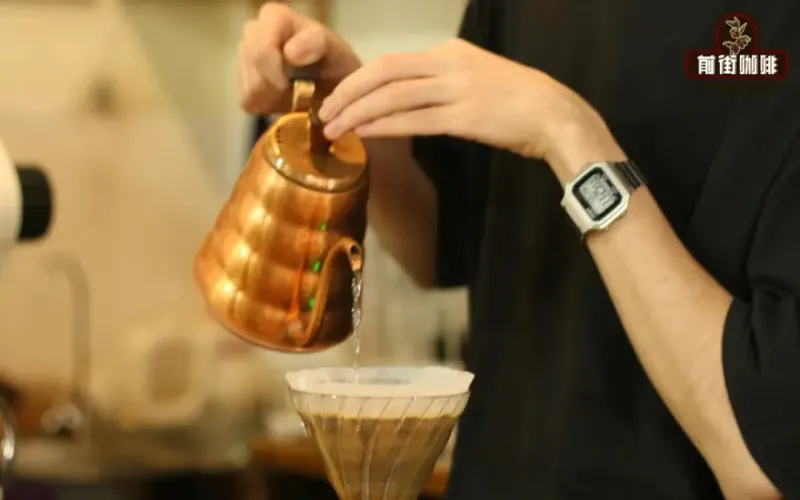
How to Brew Coffee Past Its Peak Flavor Window So It Still Tastes Good? A Complete Guide from the Principles of the Flavor Window to Pour-Over Techniques
Many coffee enthusiasts have heard the saying that coffee beans have a "peak flavor window," but few truly understand what it means. The so-called peak flavor window refers to the period after roasting during which coffee beans are at their fullest flavor and most suitable for drinking. During this time, the beans neither hinder extraction due to excessive carbon dioxide, nor lack aromatic compounds—in fact, their aroma compounds are at their most abundant, so the brewed coffee has rich aromatic layers and a round, full-bodied taste. However, once the beans are stored beyond this window, the flavor drops noticeably and brewing becomes more difficult. This article starts with the definition of the peak flavor window and how to judge it, then explains in detail how to adjust brewing parameters for coffee beans past their peak—including water temperature, grind size, coffee-to-water ratio, and other specific steps—and offers practical tips based on Front Street Coffee's beans to help you brew the remaining beans on hand into the ideal cup. [more…]
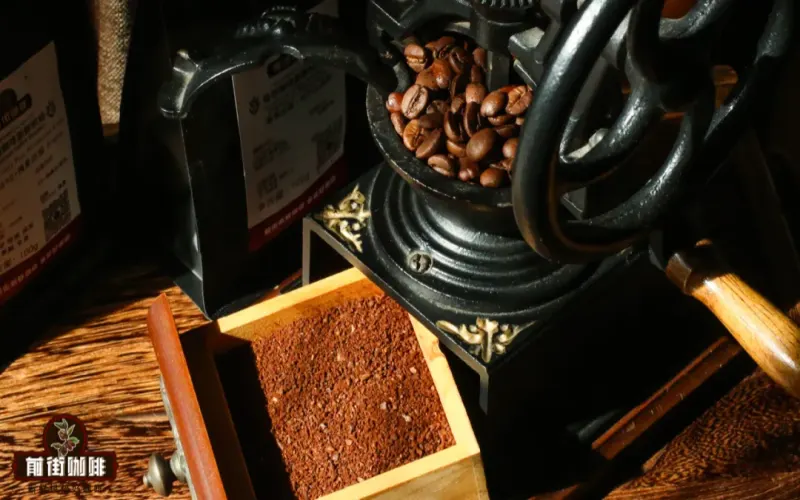
After coffee beans are ground into powder, how long is the remaining flavor period? Coffee powder storage methods and the truth about flavor loss
Many people care about the shelf life of ground coffee, but what truly deserves attention is its peak flavor window—the optimal time for enjoying it. Once coffee beans are ground, aroma molecules volatilize more rapidly, and flavor loss occurs far faster than with whole beans. Through experiments, Front Street Coffee found that the peak flavor window of ground coffee is about two-thirds that of whole beans; if beans have a 45-day window, ground coffee has only about 30 days. This article provides a detailed analysis of how the peak flavor window of ground coffee is calculated, why flavor loss occurs, and shares Front Street Coffee's recommended method of sealed portioned storage, helping you enjoy a cup of coffee with full flavor before the aroma fades. [more…]
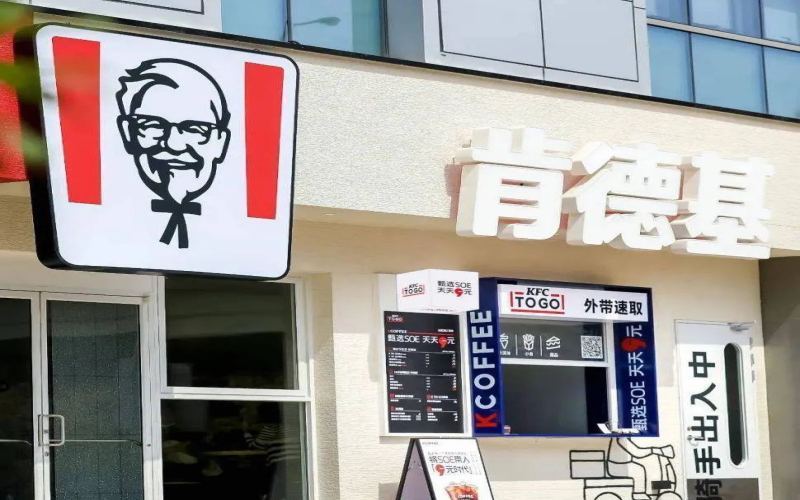
KFC Launches 9-Yuan SOE Coffee: Can the Pick-Up Window Model Bring Specialty Coffee to the Masses?
SOE coffee has long existed in specialty coffee shops at prices of 20 to 40 yuan, and now KFC has pulled it into the 9-yuan range for the first time at its KFC TO GO window in the SML Center store on Caobao Road in Shanghai. This move not only lowers the threshold for tasting single-origin espresso, but also makes the grab-and-go window model a new direction for the upgrade of KCoffee's business. This article will begin with the definition of SOE, its flavor characteristics, price barriers, and KFC's coffee layout to explore what 9-yuan SOE means for the industry and everyday consumers. [more…]
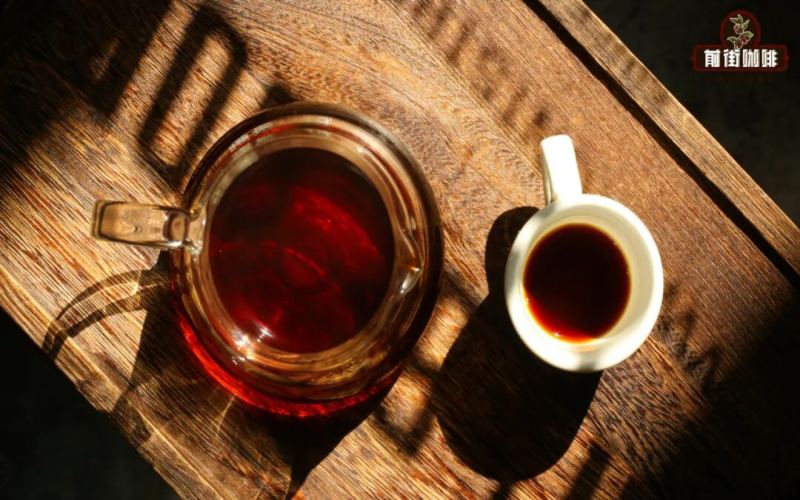
Coffee Storage | How long is coffee's optimal flavor period? How long can ground coffee be stored after grinding? Which storage method can extend the optimal flavor period of ground coffee?
Recently, due to the crazy discounts of Double Eleven, many friends have gathered to place orders online, and Front Street Coffee's Taobao Tmall customer service has therefore received more coffee-related questions than ever before. Questions related to grinding on demand, such as "how long can coffee beans last after being ground into powder" and "within how many days after grinding is it best to finish drinking it," are among the questions these friends have been consulting about recently. [more…]
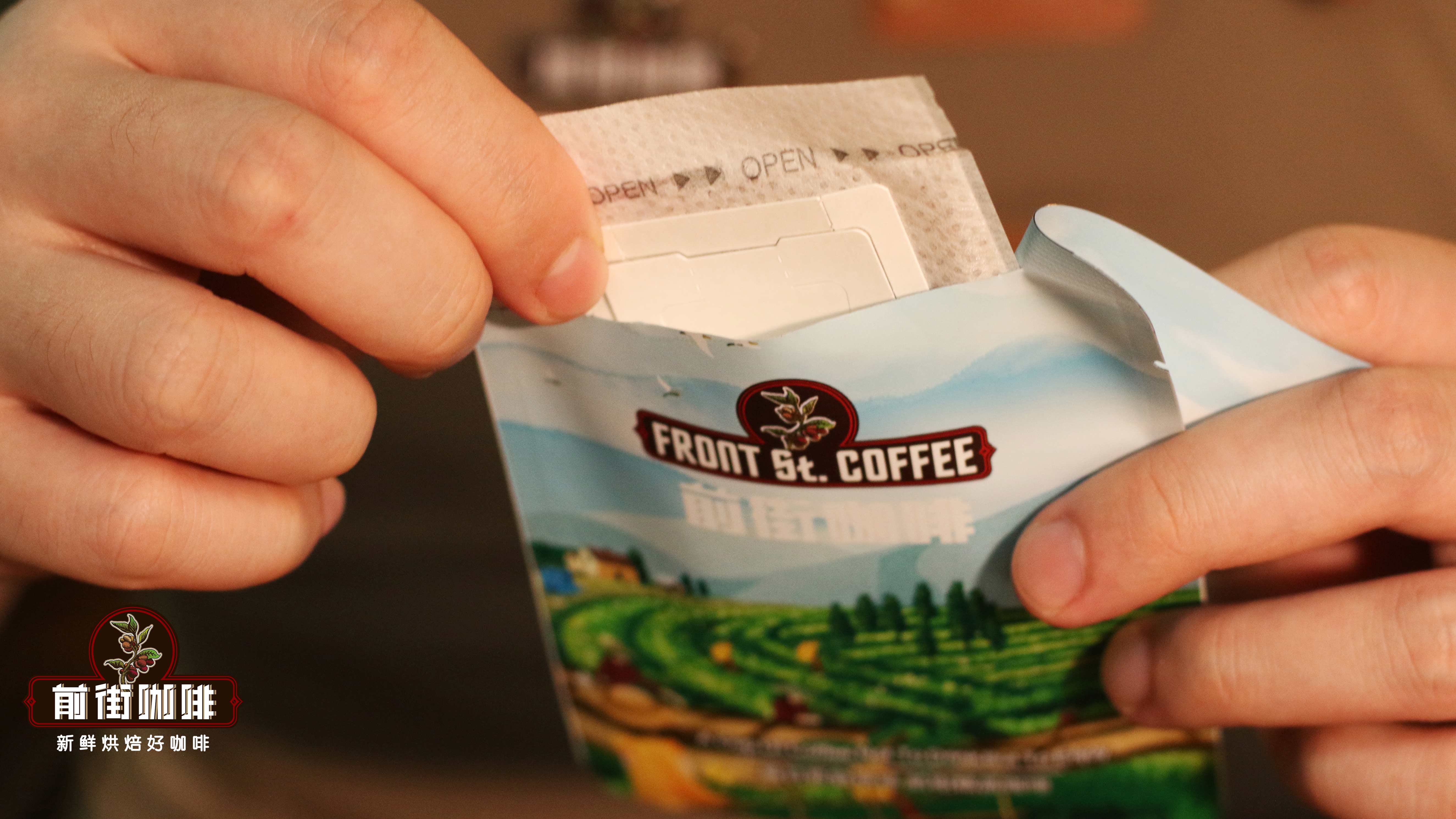
Analysis of Drip Bag Coffee Production: Why Is the Best-Flavor Period Shorter Than Coffee Beans? A Full Explanation of the Bean-Resting Concept
Drip bag coffee is deeply favored by coffee lovers for its convenient brewing method, but do you understand the production logic behind it? Front Street stores always insist on freshly grinding and making drip bags on the spot. This seemingly inefficient practice is actually closely related to the extremely short peak flavor period of drip bag coffee. Starting from the production process of drip bag coffee, this article will explain in detail the essential difference between the shelf life and the peak flavor period of coffee beans, analyze why pre-grinding leads to accelerated loss of aroma, and extend to introduce the basic concept of the resting period for coffee beans. At the same time, the article will also share the flavor characteristics of a variety of drip bag products such as Front Street Huakui, Flower Butterfly, Honduras, and PWN Golden Mandheling, helping you enjoy a good cup of coffee within the optimal time. [more…]
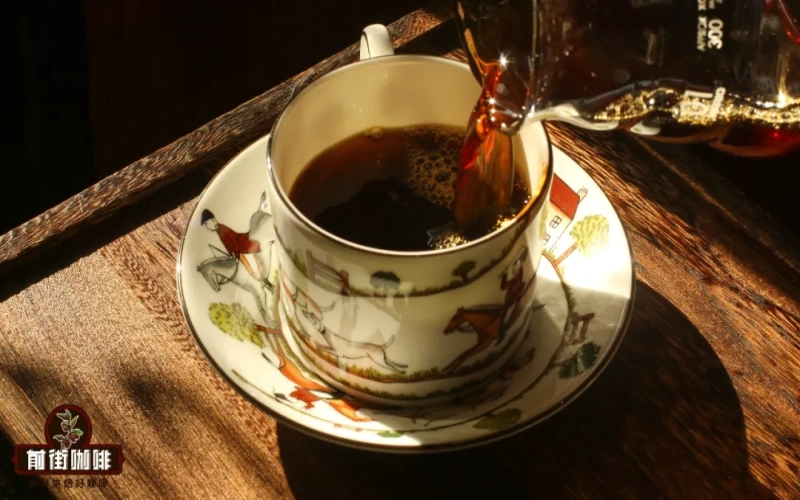
How long can the flavor window of pour-over coffee be extended if stored in a thermos? Which coffee beans are suitable for drip brewing?
Freshly brewed hot coffee often has a peak flavor window of less than an hour—once the aroma dissipates and the temperature drops, the taste degrades significantly. This is a common frustration for many coffee lovers. Is there a way to make coffee stay delicious for longer? The answer is to pour it into a thermos. The combined effects of sealing and insulation can significantly slow aroma loss and temperature decline, extending the enjoyable period to two or three times its original length. Front Street Coffee once conducted a test with Panama Boquete Geisha, and the results showed that coffee in a thermos performed excellently for the first two hours, began to decline noticeably by the third hour, and after about three hours was almost only flat. Of course, a thermos is not a cure-all—coffee stored too long in the bottle still carries a risk of bacterial growth, so drinking it as soon as possible is best. This article will explain from three aspects: principles, experiments, and practical suggestions. [more…]
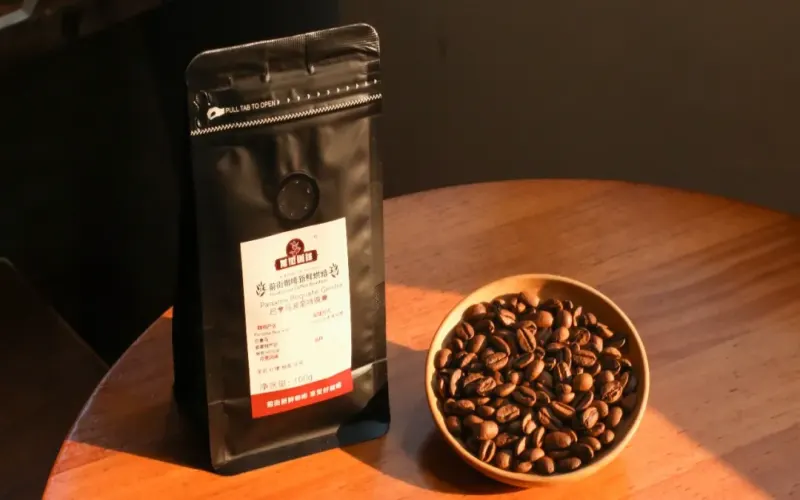
How Long Do Coffee Beans Stay at Their Best After Opening? A Detailed Guide to Pour-Over Bean Shelf Life and Proper Storage Methods
How long can coffee beans last after opening? This is a question many pour-over enthusiasts often ask. Oxygen is the number one enemy of coffee bean freshness—the more it is exposed, the faster the aroma dissipates and the shorter the window of peak flavor becomes. However, oxygen is not the only factor; the humidity, temperature, light exposure, and choice of container in the storage environment are equally critical. This article will break down the reasonable flavor window for coffee beans after opening, compare the pros and cons of different storage methods, and share the thoughtful details of Front Street Coffee's packaging design, helping you preserve the alluring flavor of your coffee to the greatest extent possible. [more…]
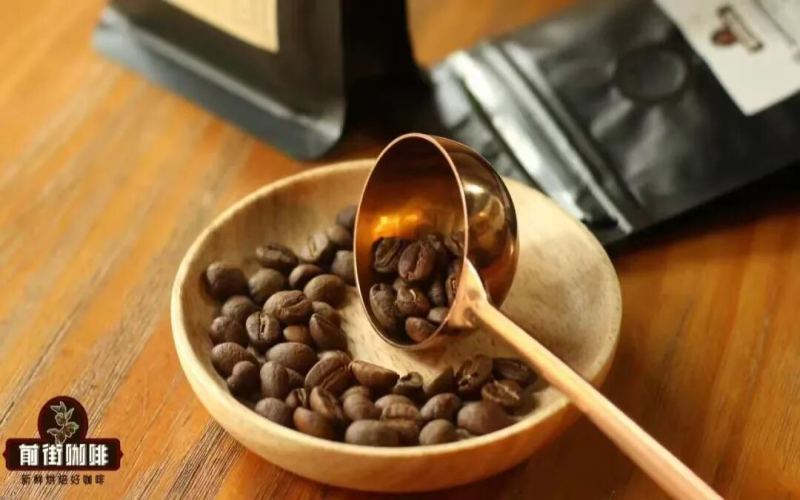
Drip Bag Coffee | Why Can't Drip Bag Coffee Be Stored for Too Long? What Is the Optimal Flavor Period for Drip Bag Coffee?
Besides coffee beans, Front Street Coffee stores also sell drip bag coffee. However, drip bag coffee needs to be made on the spot, so if a customer wants to buy a pack of drip bag coffee at the store without a reservation, they usually have to wait about 10 minutes. So some customers will ask this question while waiting: "Lift the drip bag [more…]
The tasting window for espresso: how to manage the degassing window and storage after opening
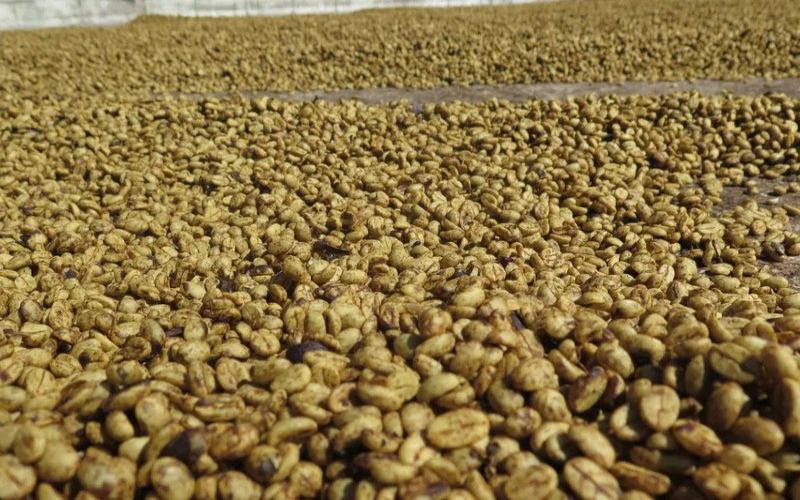
Espresso relies on high pressure for rapid extraction. Freshly roasted coffee beans contain a significant amount of carbon dioxide internally. If they are ground and extracted before this gas has fully released, it tends to create coarse foam that interferes with the even penetration of water through the coffee bed. Understanding the degassing patterns of coffee beans can help us more confidently plan when to open [more…]
A Coffee Beginner's Guide to Choosing Beans: From Peak Flavor Window to the Three Major Regions, Find the Cup That's Right for You
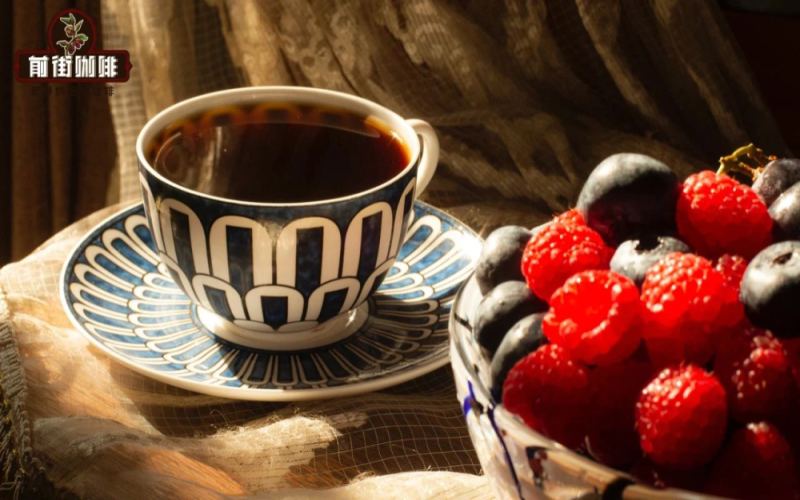
Friends who are new to coffee often ask: how can I choose coffee beans that suit my taste? This article starts with the storage and peak flavor period of specialty coffee, helping beginners understand the optimal drinking window after roasting, then further explains which origin information to pay attention to when purchasing, and finally uses the seven major regional everyday beans launched by Front Street as examples to introduce the flavor characteristics of Africa, Latin America, and Asia, so that beginners can quickly pinpoint the coffee flavor that suits them. [more…]
Drip Coffee Bag Shelf Life and Optimal Flavor Period Explained: Why Ground Coffee's Best Flavor Lasts Only One Month
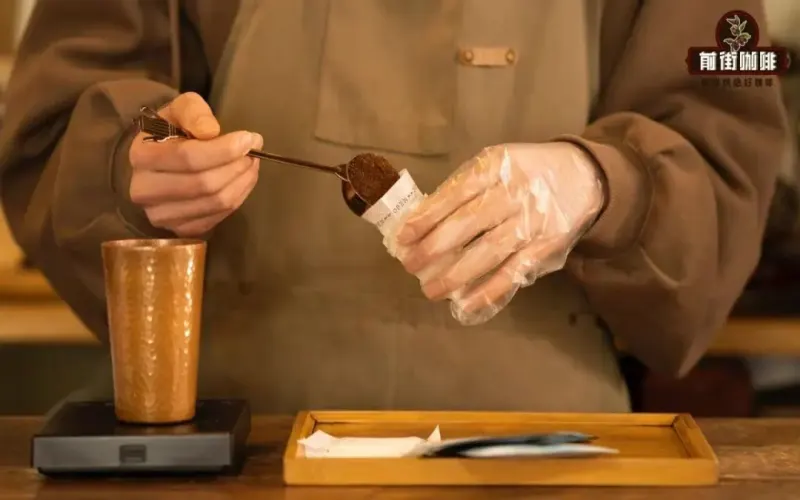
Drip bag coffee is the preferred way for many office workers and people on the go to enjoy black coffee, but have you ever paid attention to its shelf life? Compared with whole coffee beans, pre-ground drip bag coffee loses its flavor noticeably faster. Front Street Coffee insists on grinding and preparing each order fresh, precisely to preserve the best flavor of every drip bag as much as possible. This article will explain in detail the principles of coffee aroma volatilization, clarify the differences in shelf life between whole coffee beans and ground coffee powder, and introduce the product features and tasting order of Front Street Coffee's classic five-origin drip bag coffee, helping you better understand and store the specialty drip bags in your hands. [more…]
Coffee Bean Peak Flavor Window | Can Washed Yirgacheffe Pour-Over Coffee Grounds Be Stored in the Refrigerator? Is There a Big Flavor Difference Between Roasted Coffee Beans and Freshly Ground Coffee?
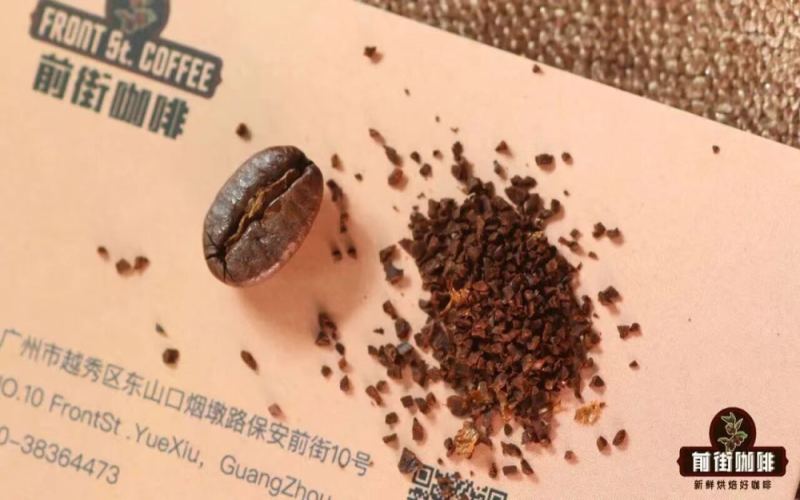
Freshly ground coffee brews up more aromatic—this is already a well-worn topic, and we also know well how important freshness is to coffee flavor. But sometimes, to avoid hassle, many friends have the merchant grind the coffee beans into powder before shipping when buying beans, because then when it comes time to brew, there's no need to worry about what grind setting to use, nor [more…]
The Flavor Window After Opening a Bag of Coffee Beans: How to Drink These Three Distinctive Beans
The aroma of coffee beans is not completely set the moment roasting ends. In the days after coming out of the roaster, the beans continue to slowly release carbon dioxide, and the floral, fruity, and sweet notes need a little time to recombine. The so-called peak-flavor window is more like a period when the flavor is relatively active, not a hard expiration date printed on the package. Once you understand this change, [more…]
A Complete Analysis of the Optimal Drinking Time for Pour-Over Coffee and How Temperature Changes Affect Flavor
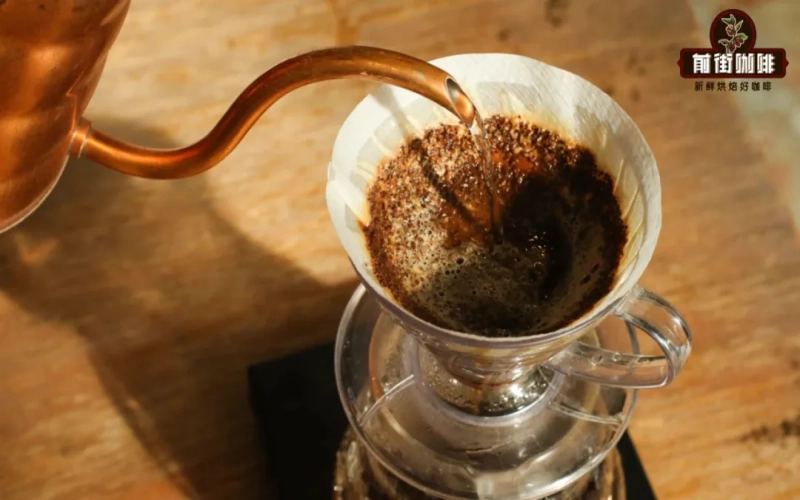
A freshly ground and brewed cup of coffee, like the coffee beans themselves, has its own optimal tasting window. Coffee aromas volatilize easily, and temperature constantly affects how the taste buds perceive sweetness, acidity, and bitterness. Therefore, from the moment it is brewed, the flavor continuously changes with time and temperature. Front Street Coffee compares the tasting performance of dark-roasted Golden Mandheling and light-roasted Gedinding at different time points, documenting the evolution of aroma, mouthfeel, and taste, to find the limit of coffee's tasting window under normal standing conditions. It will also answer common questions such as whether reheating can restore the flavor, and how to extend aroma retention with a lid or thermos, helping you seize the most brilliant drinking window of every cup of coffee. [more…]
Can you still drink coffee beans after they expire? Understanding the difference between shelf life and peak flavor period, plus recommendations
The shelf life of coffee beans is usually longer than that of most foods because they are a low-water-activity food and are not prone to spoilage. The packaging of coffee beans sold by Front Street Coffee indicates a shelf life of one year; this period has been determined through professional testing, and under proper storage conditions, the risk of spoilage is relatively low. However, in addition to the shelf life, coffee beans also have a more critical "flavor window"—the optimal tasting period. After the flavor window passes, aromatics are largely lost due to volatilization, and the coffee becomes mediocre. So, can expired coffee beans still be drunk? This article will analyze in detail the difference between shelf life and flavor window from the two perspectives of food safety and flavor performance, and give Front Street Coffee's drinking recommendations. [more…]
The Complete Guide to Coffee Bean Storage: Refrigerate or Freeze? The Right Way to Extend the Peak Flavor Window
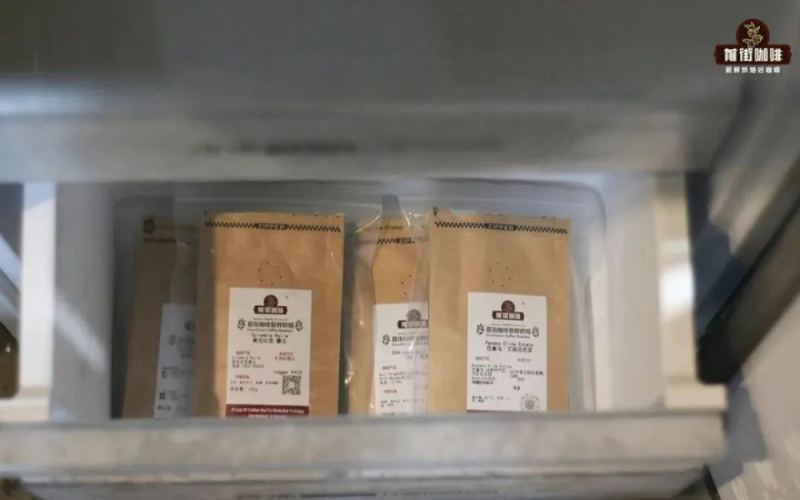
If you've stockpiled more coffee beans than you can drink in a short time, can you put them in the fridge to extend their freshness? This is a dilemma many coffee lovers run into. To answer this question, we first need to clarify what we actually mean by "fresh"—it's not about preventing spoilage, but about preserving as much of the fleeting aroma in coffee as possible. Starting from a customer question received by Front Street Coffee, this article systematically lays out the five great "enemies" of coffee beans, analyzes the pros and cons of refrigeration versus freezing, and offers concrete practical advice to help you devise a reliable coffee freshness-locking plan at home. [more…]
The Flavor Window of Honey-Processed Beans: How to Plan from Opening the Bag to the Last Cup
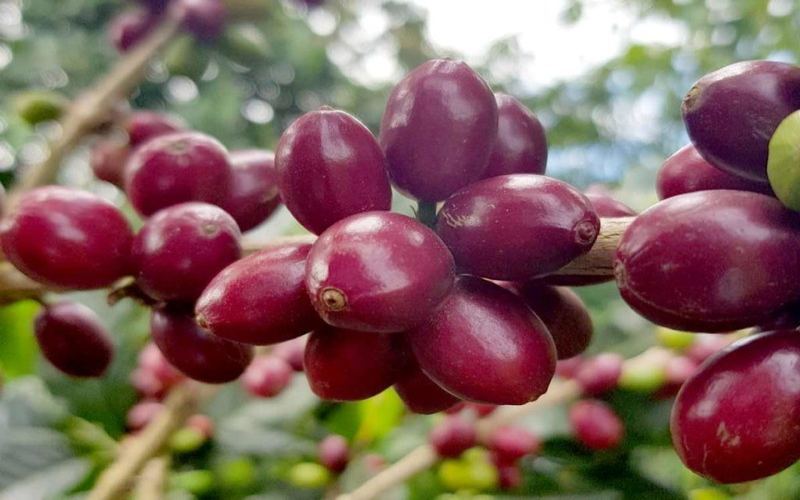
The sweetness and fruity aromas of honey-processed coffee beans often don't fully emerge on the day you open the bag. After roasting, the beans continue to slowly release carbon dioxide, and the aroma, acidity, and mouthfeel will recombine over time. When buying beans, besides looking at the origin and flavor notes, you should also pay attention to the roast date, the condition of the packaging, and your own drinking pace—these facto [more…]
What exactly is the difference between coffee bean resting, peak flavor period, and shelf life? Front Street Coffee helps you decode the time code of freshly roasted coffee.
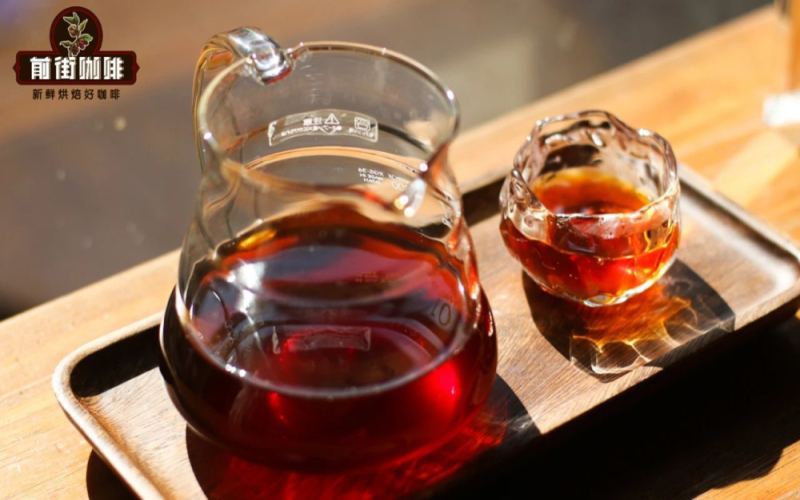
Many people think coffee beans should be brewed right after roasting, but freshly roasted beans often carry a dry, smoky character and need to be rested to degas so the flavors become rounder. Drawing on years of roasting and cupping experience, Front Street Coffee has found that resting times vary from 3 to 7 days depending on the roast level, and the optimal flavor window usually falls between 7 and 20 days after roasting. The flavor window is not the same as the shelf life; the latter is merely the safe consumption period, often as long as 12 months or more. This article clarifies the complete timeline of coffee beans from fresh to stale across several dimensions—the principles of degassing, resting recommendations, the flavor window, and storage limits—and also tells you how much to buy at once and how to store it so nothing goes to waste. [more…]
How long can coffee maintain its optimal flavor window? Why does the flavor deteriorate after cooling? Is storing it in a thermos feasible?
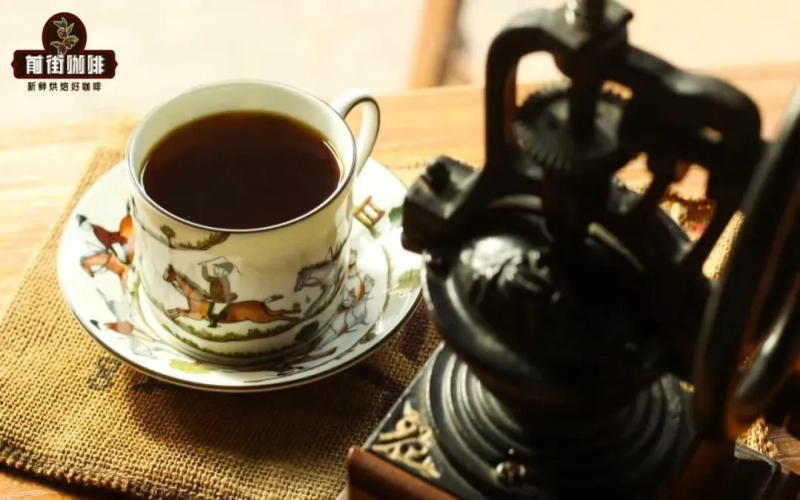
Freshly brewed coffee is rich with aroma, but once you get delayed by something, the coffee left to cool often loses its fragrance and its taste deteriorates, making it seem like a completely different cup from when it was first brewed. This shows that the coffee in your cup also has an optimal window for enjoyment, and beyond that window, the experience drops off noticeably. So, is there a way to extend this golden tasting period? Front Street Coffee once shared a simple method: create a relatively sealed environment for the coffee, such as putting on a cup lid or pouring it into a thermos. This article will explain, from the perspectives of the concentration gradient principle behind aroma volatilization and oxidation reactions, why coffee tastes bad after it cools, and how sealed storage slows the loss of flavor, while also reminding you that the container capacity should not be too large, so that every cup of coffee can be enjoyed in its best state. [more…]
SOE Roast Days and Degassing Changes: Letting a Single Origin Fully Release Its Aroma During the Optimal Drinking Window
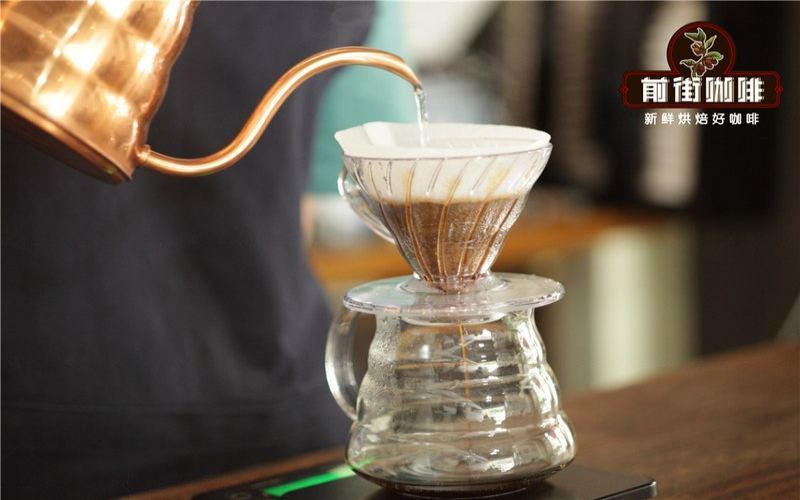
Freshly roasted single-origin coffee beans hold a large amount of carbon dioxide gas trapped inside. In the first days after opening, this gas rushes out violently on contact with water, forming a dense layer of foam. Too much gas prevents water from fully contacting the coffee grounds, so aromatic compounds cannot dissolve out smoothly. Give the beans a quiet period to degas. [more…]